Blog
 Field notes: the site with four excavators and no cranes yet
What a cluster of excavators and an empty crane pad tells a fleet manager about build phase, read from monthly imagery.
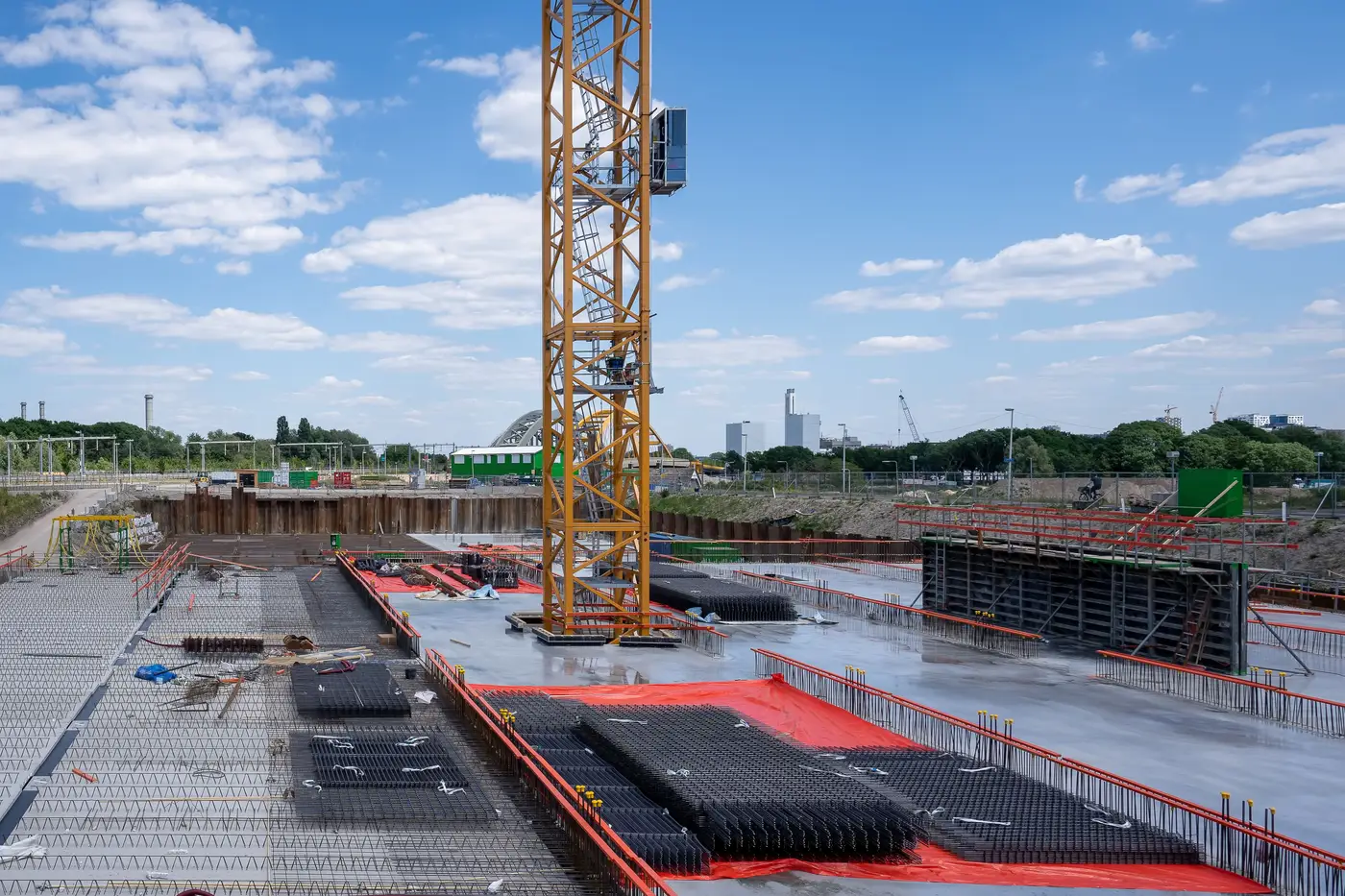 What a phase signal is, and why it beats driving out to a site
A phase signal reads the machine mix on a job site to tell you its build phase. Here's why that beats a windshield survey for fleet repositioning.
 Forecasting next quarter's crane demand from this quarter's excavator-heavy sites
Excavator-heavy sites are a leading indicator of next quarter's crane demand. Here's how to read the machine mix and reposition fleet ahead of it.
- Site wrapping up or just between pours? How to tell the difference
A quiet site isn't always a done site. Here's how to read the machine mix to tell a real wrap-up from a pour-to-pour lull before you pull equipment.
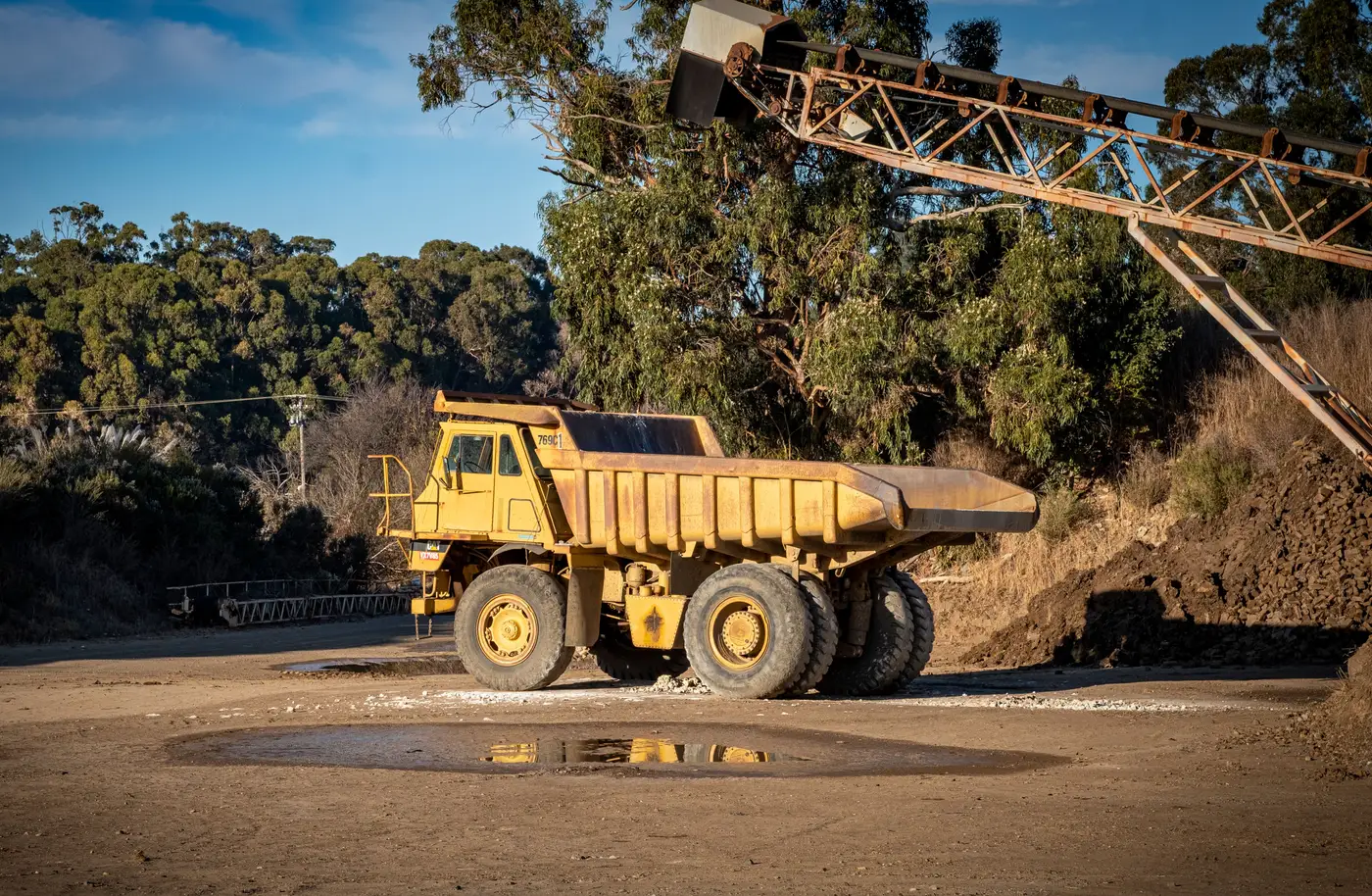 Field notes: the week three sites on the route swapped haulers for compactors
A field-notes read on a hauler-to-compactor swap across three sites in one week, and what that machine mix shift means for repositioning calls.
 Earthwork phase vs. vertical phase: how to read machine mix
How to read machine mix (excavators, compactors, cranes, lifts) to tell whether a site is still earthwork or has gone vertical, without driving out.
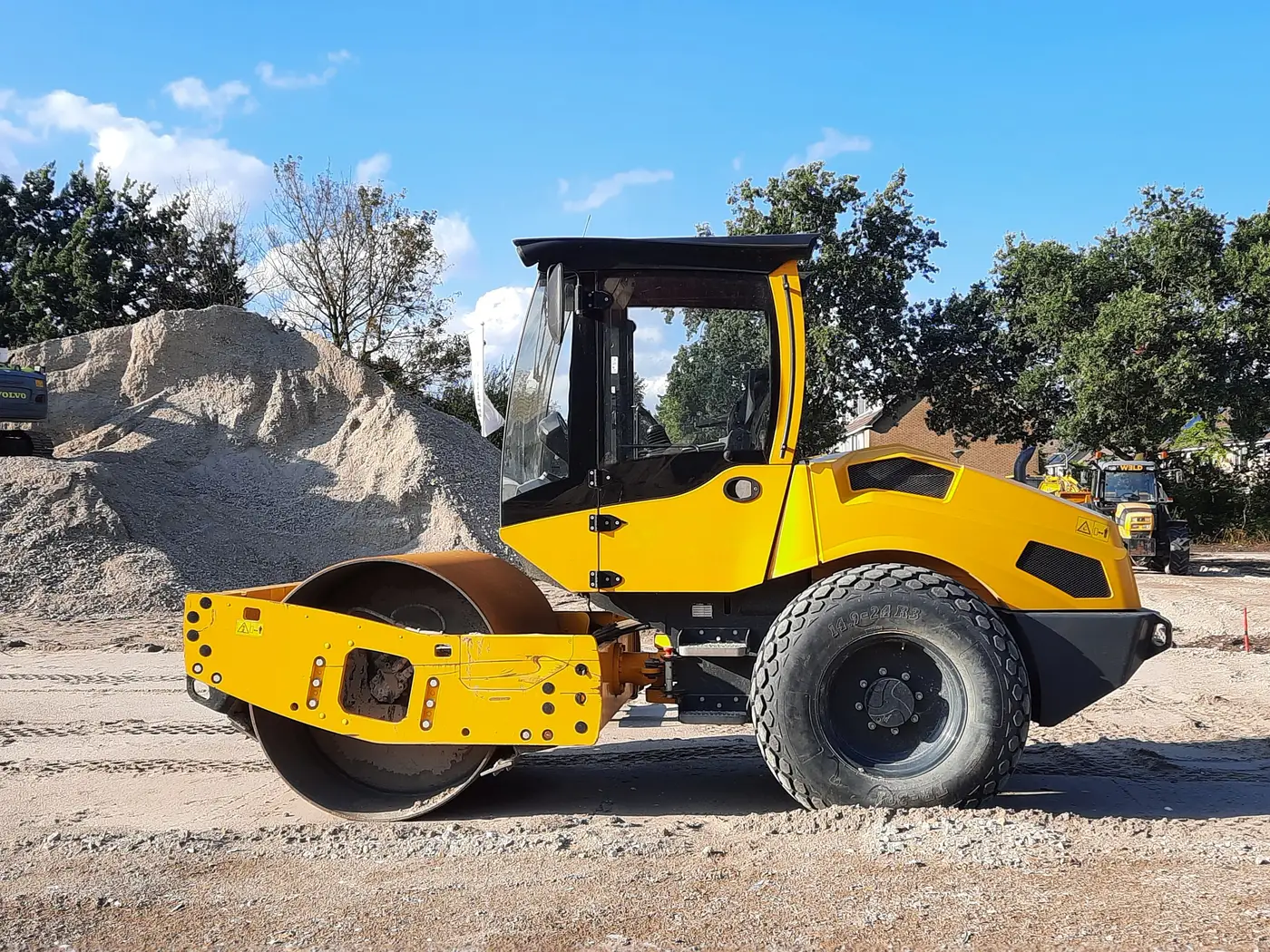 How many compactors does a paving crew need per lane mile?
A practical breakdown of roller count per paving crew, from the standard three-roller train to when a fourth machine earns its keep.
- Field notes: the branch that kept ordering compactors while three sites sat idle
A branch kept ordering compactors while three sites it never saw had already moved past needing them. A field note on the blind spot that causes it.
- Smooth drum vs. padfoot roller: reading compactors from overhead
How to tell a smooth drum roller from a padfoot roller in aerial or satellite imagery, plus how to spot other compactor types from overhead.
- How to set a redeployment radius for an idle machine
A redeployment radius should track haul cost and actual site phase, not a flat mileage rule. Here's how fleet managers set it right.
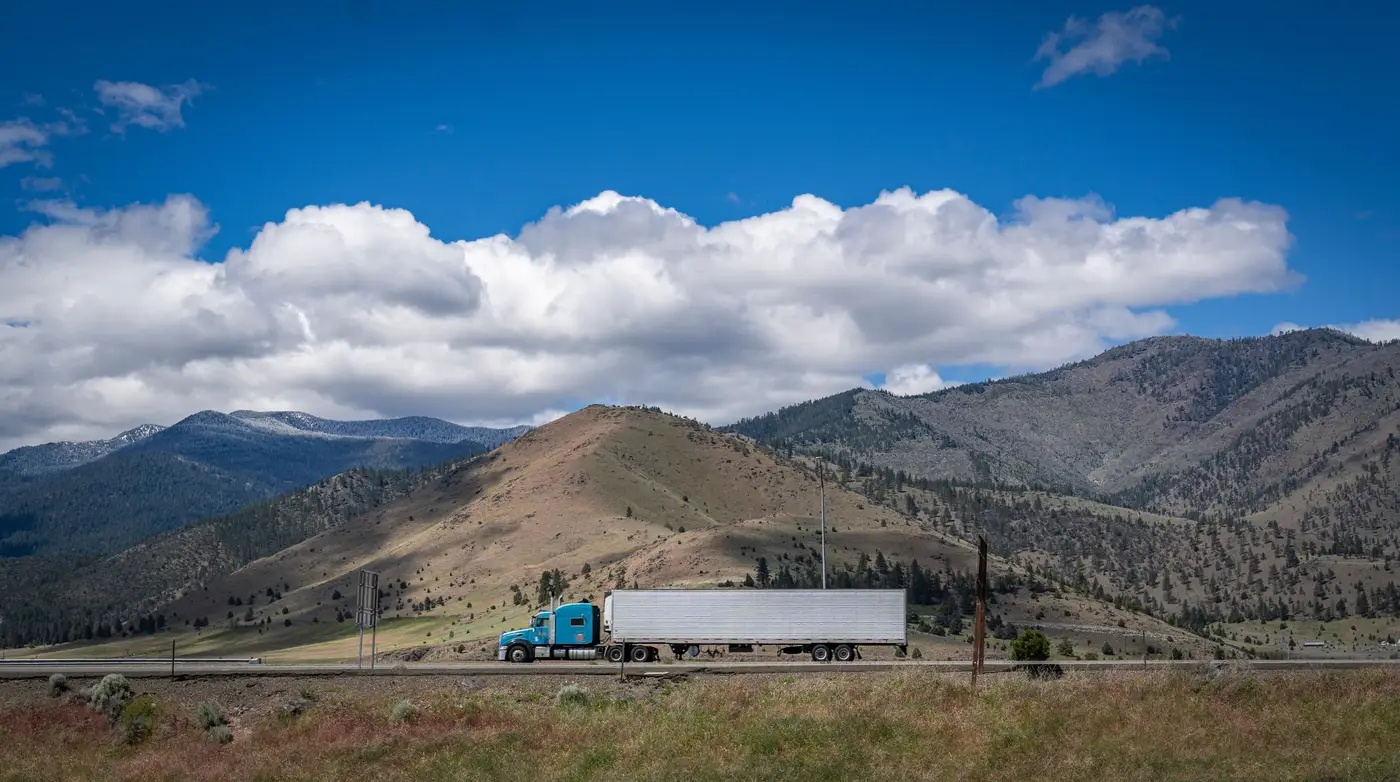 What is deadhead mileage in heavy equipment hauling?
Deadhead mileage is the empty haul leg between jobs. Here's what it costs a fleet and where it sneaks into a repositioning plan.
- Excavator count vs. compactor count: what the ratio tells you about build phase
How the ratio of excavators to compactors on a job site signals build phase, from early earthwork to paving prep, without driving out to check.
- How to tell a job site is demobilizing before the return call comes in
The machine mix changes weeks before a site closes out. Here's what to watch for so the rental return call doesn't catch your fleet flat-footed.
 Boom lift vs scissor lift: telling them apart from above
How to tell boom lifts from scissor lifts in satellite imagery using footprint shape, shadow throw, and resolution limits.
- Concrete pump truck vs mixer truck: what each one tells you about pour day
How to tell a pump truck from a mixer truck on site, and what each one signals about where a pour stands that day.
- Excavator size class from overhead: mini vs midi vs standard
How to tell mini, midi, and standard excavators apart in VHR overhead imagery, and why the size class matters more than the brand.
- Telehandler vs forklift: how to tell them apart in satellite imagery
How to spot a telehandler versus a rough terrain forklift in overhead imagery, and why the machine class matters more than the exact badge.