What a phase signal is, and why it beats driving out to a site
If you manage a rental fleet or OEM territory, you already know the question that eats your week: which sites are still live, and what's sitting on them right now. The old answer was a windshield survey. Someone drives the loop, counts units, calls it in. The new answer is a phase signal, and it's worth understanding what that term means before you decide whether it's worth trusting.
What a phase signal is
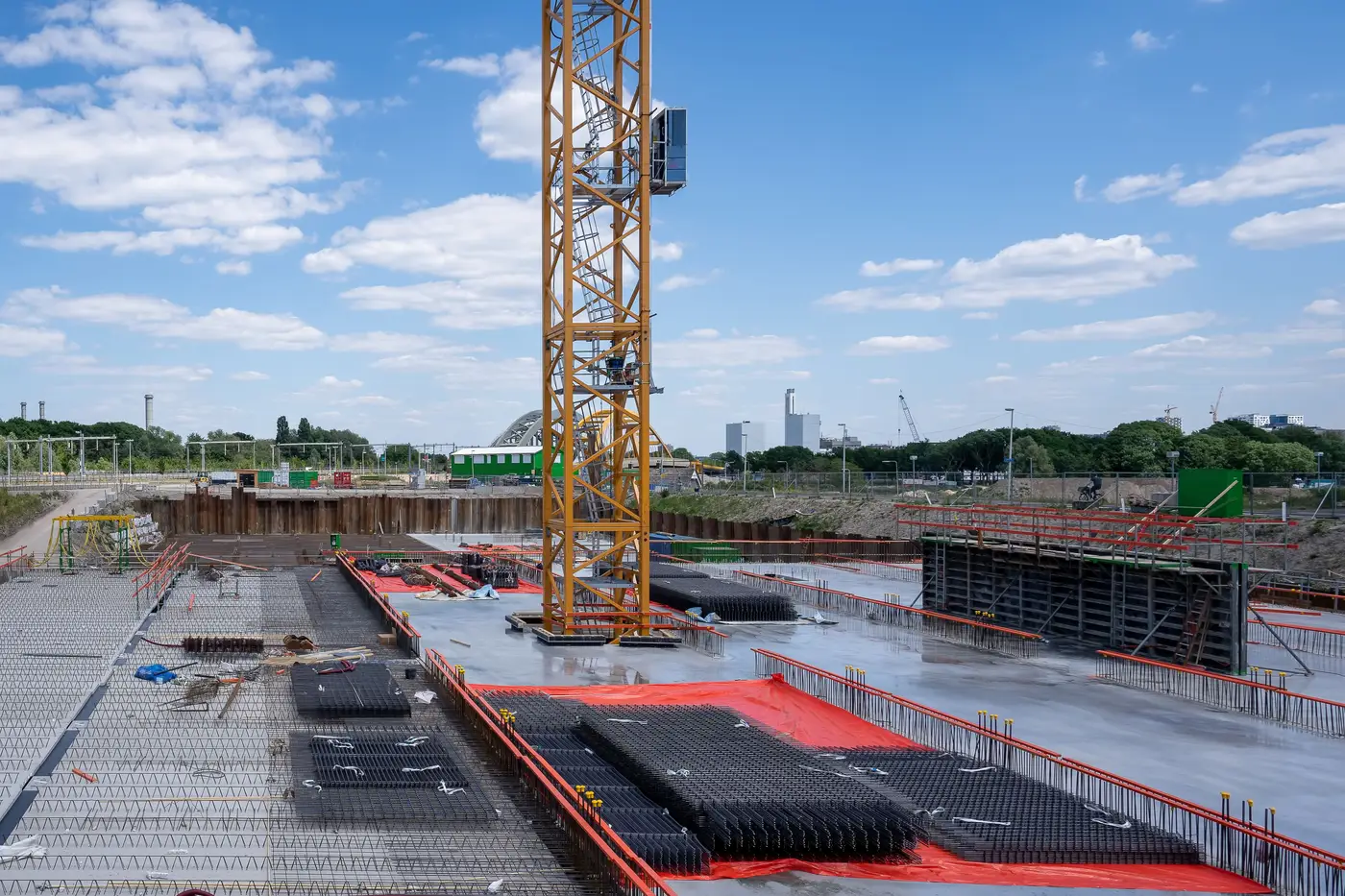
A phase signal is a read of the machine classes parked on a site, used as a stand-in for what phase that job is in. The mix matters more than individual serial numbers or paint colors: excavators and haulers mean earthwork is underway. Compactors and a concrete pump mean foundation work. Cranes and telehandlers showing up means the job's gone vertical. When the heavy classes thin out and all that's left is a couple of small units, the site's winding down toward finishing, or it's stalled.
That mix is the signal, independent of who's operating the machine or which rental house wrote the contract. It points to where the job sits in its build cycle, the thing you need to know before deciding whether to pull a crane off that site or hold it another four weeks.
Reading a job site from equipment classes, not names
This matters because fleet repositioning runs on build phase. A site's headcount alone won't tell you what phase it's in. A site with three excavators and two haulers is in an earlier phase than one with a tower crane up, regardless of total unit count. If you're planning where your compaction fleet goes next quarter, you want to know which sites are entering foundation work this month, the specific build phase, rather than general site activity.
That's a different read than a drive-by gives you. A site visit tells you what's there the day you happen to show up. It's a single snapshot: you can't tell whether that excavator arrived last month or yesterday, or whether the crane's about to come down or just going up. You need the same read, repeated, to see the mix shift from earthwork classes to structural classes to finishing classes, and that shift is the phase signal.
Why a site visit doesn't hold up for this
A truck and a windshield covers a handful of sites a day, and it's stale almost immediately. By the time your rep has looped the territory and reported back, the mix on the first site has already moved. And a visit only tells you about the sites someone physically routed through. The ones off the main road, the ones nobody had a reason to drive past this week, stay invisible until a phone call tells you otherwise, usually after the machine you wanted has already left.
The other problem is cadence. Fleet repositioning works on weeks and months, not on the day of a drive-by. You need to see the same set of sites again and again to catch the mix changing. Rerunning a territory loop every month, every site, by truck, is a staffing commitment most fleet teams don't have the headcount for, and it's the kind of work that gets skipped first when things get busy.
A monthly read from very high resolution imagery, under half a meter GSD, covers the territory without anyone driving it. The part of the job that goes away is the part that was never a great use of anyone's week to begin with: looping roads to count machines you could have read from above. Knowing your customers still takes a person on the ground; the counting doesn't have to.
Site Machine Mix was built around that monthly read, turning the machine mix on each active site into a phase signal you can check without sending a truck out.
If your repositioning calls are still running on last month's windshield survey, it might be time to see what a monthly phase read looks like for your territory.