Field notes: the site with four excavators and no cranes yet
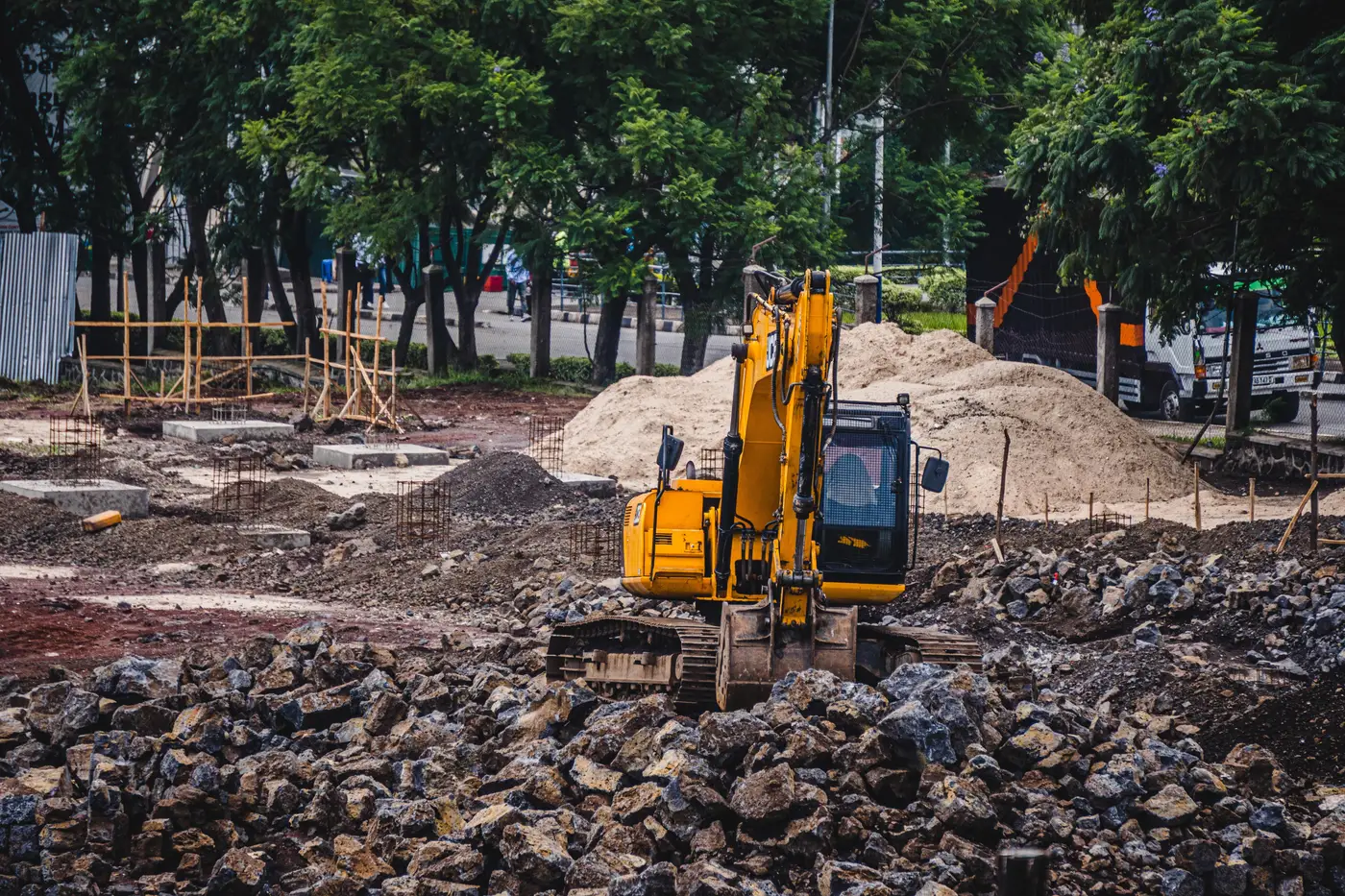
A site came up in last month's read with four excavators parked along the north edge of the pad and nothing else. No crane, no compactor, no concrete pump truck. Just four machines in a rough line, the kind of cluster you'd expect to see if a contractor rented a batch of mid-size excavators from three different yards and staged them before a push.
The temptation, looking at that count cold, is to read it as stalled. Four of the same class and no vertical equipment can look like a site that's sitting there. Read in context, it's a site in mass excavation or utility rough-in, the phase where you move dirt, cut grade, trench for underground, and generally don't need anything that lifts. A tower crane showing up on that pad in month two would be the surprising read; four excavators alone is exactly what you'd expect for this phase.
This is the part of fleet work that doesn't show up on a schedule sheet. You can know a project's planned sequence and still get surprised by what's sitting on the ground, because weather, permitting, or a sub falling behind pushes the real timeline sideways from the paper one. The machine mix on site, read month over month, tells you where the job actually stands relative to that paper schedule.
Four excavators together usually means one of two things. Either the GC brought in extra iron to compress the earthwork schedule, which happens when a weather window is closing or a milestone payment is tied to grade completion, or the site has multiple subs working different zones of the same pad at once, each with their own rented machine. Either way, the next read a month or two out should show the mix shifting toward compactors and eventually a crane as earthwork wraps up.
That sequencing matters if you're the one deciding when to pull a boom lift back from a job that's winding down, or when to start lining up a crane for a job that's about to need one. A site that's still showing four excavators and nothing else three months running has broken from the usual rhythm. The earthwork could be tougher than bid, there's an undisclosed utility conflict, or the job's just running slow. What matters for fleet planning is that the mix hasn't changed, which tells you your crane isn't on that job's list for next month either.
Fleet managers used to get this kind of read by driving the territory, or by calling a super who might not pick up. Neither scales past a handful of sites, and both depend on someone else's schedule for when you find out. A monthly read of the machine mix across a whole territory does the same job without the drive time: which sites are still in earthwork, which have moved into foundations, which have gone quiet. You can see that kind of site-by-site, month-by-month phase tracking on the Site Machine Mix home page, which is built around exactly this read.
The four-excavator site, as it happens, showed a compactor and a telehandler the following month, and a mobile crane the month after that. Right on the rhythm you'd expect. Worth knowing before the phone rings asking where your crane inventory is going next quarter.
If you manage a rental or OEM fleet across a territory and want that same monthly read on your own sites, Site Machine Mix is built to send it to you.