Site wrapping up or just between pours? How to tell the difference
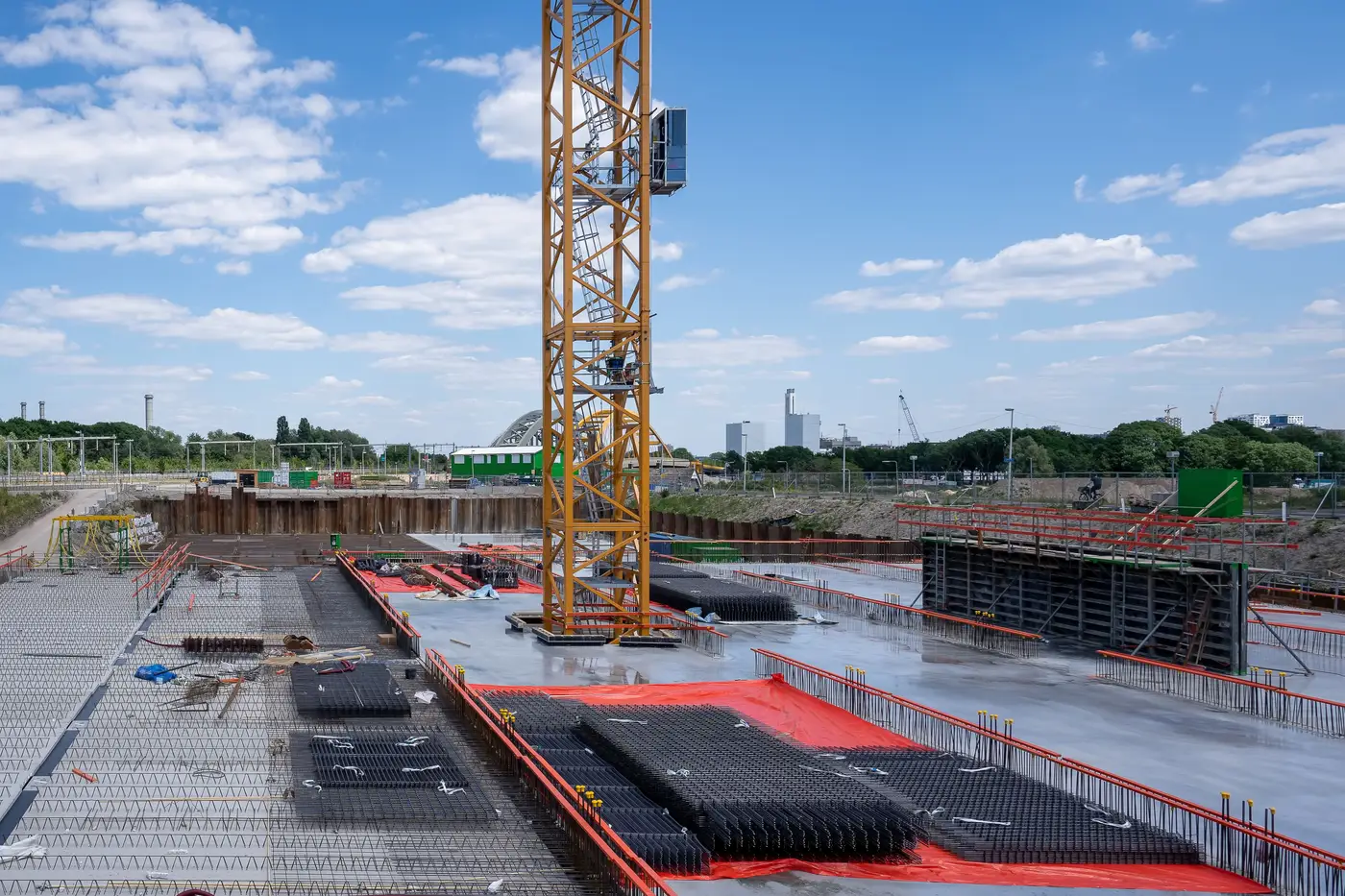
A site goes quiet for a week and your first thought is demob. Pull the excavator, get the compactor back on the yard, free up that crane for the next job. Then you find out the GC was just waiting on the inspector to sign off the rebar before the pour, and now you're sending a lowboy back out to a site that never stopped needing your iron.
The opposite mistake costs more. A site sits idle for three weeks because the super says they're "between phases," and the fleet sits there racking up rental days on a job that's dead. Nobody called it. Nobody drove out to check. The machines just stayed.
Both mistakes come from the same gap: you're reading activity, not phase. A parking lot with no trucks moving looks the same from the road whether it's 10 a.m. on a Tuesday with concrete curing, or week four of a project that lost its funding.
What "between pours" actually looks like on the ground
A site between pours still has its full cast of equipment parked and ready, even if nothing's moving today. Rebar and formwork are up. You'll usually still see a compactor or a small excavator doing prep for the next section while the first one cures. A concrete pump or ready-mix truck may be staged nearby even on a non-pour day, because the schedule has another placement coming in 48 to 72 hours.
The site trailer's still occupied. Port-a-johns haven't been pulled. If you've got eyes on it, the machine count looks stable week to week, just with different units active depending on what phase of the pour cycle you catch it in.
The tell isn't "nothing's moving." It's that the full mix is still present and the footprint of work (formwork, staging, graded areas) keeps growing or shifting, even slowly.
What an actual wind-down looks like
A site that's wrapping up sheds equipment in a sequence, and it's usually the reverse order of how it arrived. Heavy earthmoving iron goes first, since grading and excavation are long done. Then compaction equipment. Cranes come down once the vertical work tops out.
What's left toward the end is usually a skid steer or two, a couple of pickups, and whatever's doing punch-list work and site cleanup. The footprint stops expanding. Formwork and shoring start coming down instead of going up. Fencing gets pulled from sections that are finished, even if the whole perimeter isn't released yet.
Week over week, a site between pours looks the same: same equipment, same footprint, just a different task each visit. A site wrapping up looks different month over month, with fewer machine classes represented, a smaller footprint of active ground, and equipment categories dropping off one at a time instead of all at once.
Why this is hard to call from a single drive-by
A windshield survey catches a site at one moment. If that moment lands on a cure day or a rain delay, you'll read "idle" when the project is three pours from topping out. If it lands during a genuine equipment swap mid-teardown, you might read "active" because there's still a scissor lift and a couple pickups on site, when the crane and the compactor already rolled off last month and aren't coming back.
The mix across time is what tells the story: which machine classes are present this month versus last, and whether that's shrinking toward a known teardown pattern or holding steady the way an active build does between placements. That's a pattern you can only see by checking back on a schedule, not by happening to drive past on the right day.
That's the gap a monthly read of the machine mix on your sites is built to close: a per-site, per-month look at what equipment classes are on the ground, so a quiet week between pours doesn't get mistaken for a site that's done needing your fleet, and a site that's genuinely shed its iron doesn't sit on your active list for another billing cycle.
If you manage a territory of sites instead of just one, that monthly comparison is the whole job. See what Site Machine Mix reads on your sites before your next demob call.