Field notes: the branch that kept ordering compactors while three sites sat idle
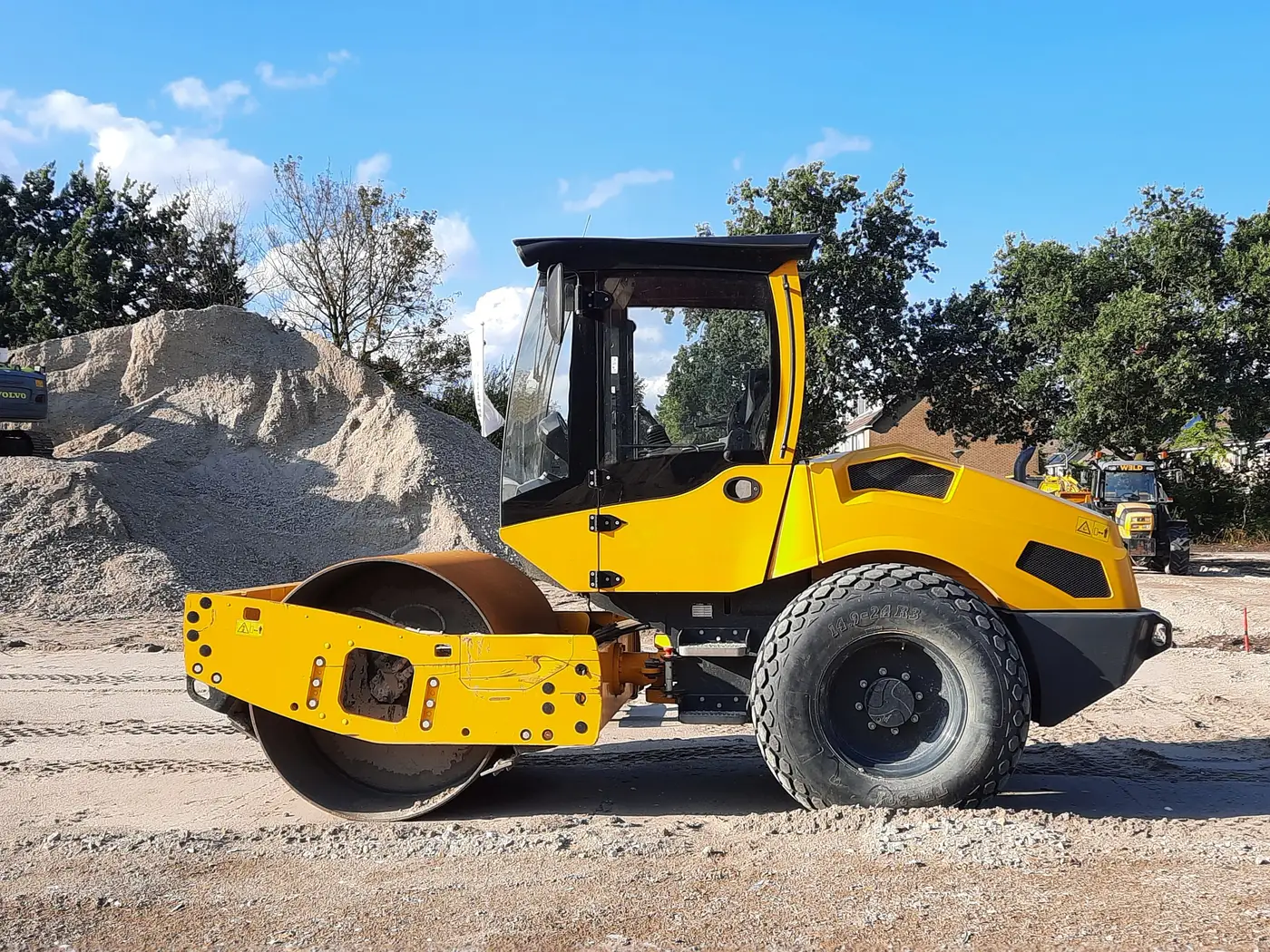
A branch manager four counties south of the metro put in three separate compactor orders last quarter for the same subdivision job. Reasonable enough on paper. The super on that site kept saying he needed them, the branch kept filling the order, and nobody above the branch level looked twice at it because compactors are cheap to turn and the yard had the inventory.
What nobody caught until the quarter closed: three other sites in the same region, all within a morning's drive of each other, had graded out of earthwork entirely. One had topped out its retaining walls, another was pouring flatwork, and the third had gone quiet for a permit holdup that lasted five weeks. All three still had compaction equipment sitting on them, parked, not moving, racking up idle days while the branch kept sourcing more of the same class from the yard for a site that genuinely needed it.
This is the normal shape of the problem: a branch ordering off what it can see and nothing else.
A branch orders off what the super on the phone tells him, plus habit, plus whatever relationship got built over the last three jobs. None of that is wrong exactly, it's just local. The branch knows its own job and its own super, with no particular reason to know that a crew four counties over finished earthwork six weeks ago and is sitting on two compactors and a roller nobody's released back to the yard. Utilization reports help with your own telemetry, your own fleet, your own asset tags, but they stop there. They don't tell you what's parked and unused on a site where the phase has already moved past needing it. That's a site-reality question, and it lives outside the data your own machines generate.
Distance is doing most of the damage here, not incompetence. Four counties is a half-day round trip for someone to go look. Nobody schedules that drive on spec. So the default becomes: trust what the branch says, trust what the super says, and assume that if a machine isn't flagged as overdue or broken, it's probably still earning its keep somewhere. Phase drift doesn't show up as a flag. It shows up as silence, and silence reads as fine.
The fix people usually reach for is tightening the ordering process: more sign-off, more layers between the super's phone call and the PO. That adds delay for branches making correct calls, and it still leaves the blind spot untouched, because the branch was never bad at asking. The real gap is that nobody regional has an independent read on what's sitting on each site, separate from what the branch believes and separate from what your own fleet's GPS pings report. You need to know the compactor on site four is still compacting, not parked next to a foundation that's already poured.
That's the gap a monthly, site-by-site read on machine mix is built to close, independent of branch reports and independent of whose asset tag is on the machine. If you'd had a phase-level view of all four sites side by side, the pattern would have been visible in week two, not at quarter close. That's roughly what Site Machine Mix is for: a read on what's parked at each site, month over month, so repositioning decisions stop running on whichever branch called in first.
Worth a look before next quarter's compactor orders write themselves the same way.