Field notes: the week three sites on the route swapped haulers for compactors
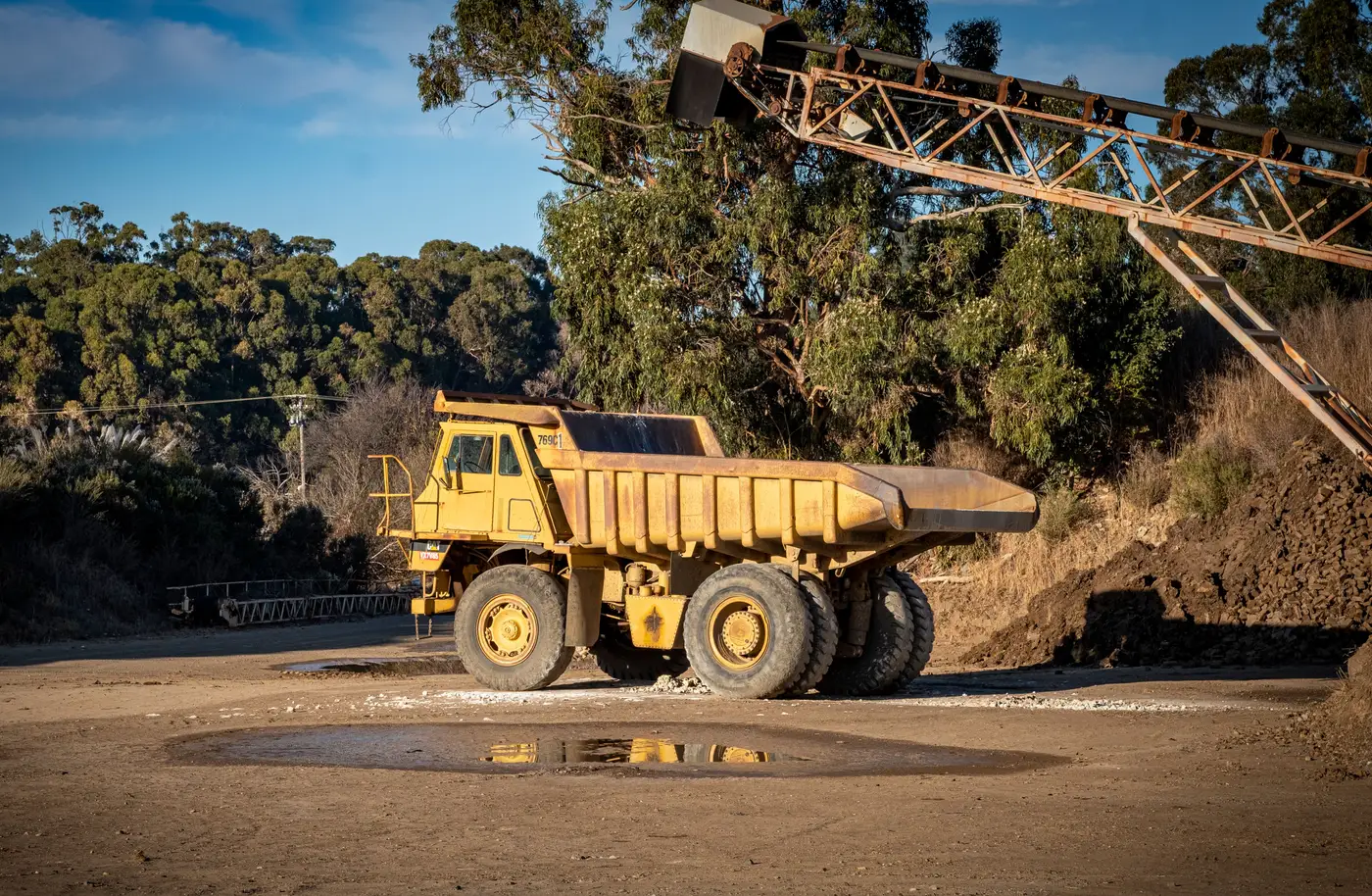
Three sites, same corridor, same week. The first swap didn't surprise me. That job's been under dirt since August and the cut-to-fill numbers finally balanced out. But the other two caught me off guard, because on paper they were still six to eight weeks from subgrade.
Here's what I mean by swap. Monday you've got artics running a loop between the cut and the spoil pile, maybe a scraper or two working the high side. By Friday the haul trucks are gone and there's a padfoot roller walking lifts where the cut used to be, with no haulers left on site at all. It's a phase change that landed inside five working days, on three sites that don't share a super or a PM.
I've been doing this long enough to know what usually drives that. Either the earthwork subcontract hit its yardage and got demobbed clean, or somebody upstairs moved the schedule and squeezed the haul window. Either way, the signal is the same from where I sit: those three sites stopped needing haulers and started needing compaction iron, and nobody called to tell me.
That's the part that gets expensive. A regional fleet carries haul trucks on standing rental at sites that, as of this week, have no use for them. Meanwhile there's a compactor sitting on a yard forty miles away that could've rolled onto any of these three jobs Monday morning instead of Thursday. Multiply that gap by a route with a dozen active sites and you're looking at real idle days, both on the trucks that should've come off and the rollers that showed up late.
What struck me walking the numbers afterward is that all three jobs are on the same stretch of corridor work, different GCs, different mix of subs, same week. A super's text or a punch list won't catch that kind of pattern. It only shows up when you're looking at the whole route at once instead of site by site, chasing down whoever picked up the phone that day.
Most of us still run that check the old way. Somebody drives the loop, or calls three PMs and hopes they call back before end of day, or waits for the invoice from the earthwork sub to confirm demob. By the time that confirmation lands, the compactor's already a week late to the party and the haulers have been sitting idle on your dime since Tuesday.
A machine mix shift like this one, haulers out, compactors in, across multiple sites in a tight window, is exactly the kind of pattern a monthly read of the route would catch before it costs you a week of dead rental. That's the idea behind Site Machine Mix: a per-site, per-month look at what equipment classes are actually parked on a job, so a phase change on three sites doesn't wait on a phone call to surface.
You still want eyes on anything that's running behind or looks off. The site visit earns its place for that. But for the routine question, is this job still in dirt or has it moved into subgrade, the machine mix on the ground tells you faster than the schedule update does. Schedules slip. The equipment that shows up is the honest version of where a job stands.
Three sites swapped haul trucks for rollers this week on one corridor. Next month it'll be three different sites doing the same thing somewhere else on the route, and the fleet that catches it first is the one that isn't driving around guessing.
If you want to see what that monthly read looks like for your own territory, take a look at what Site Machine Mix tracks.